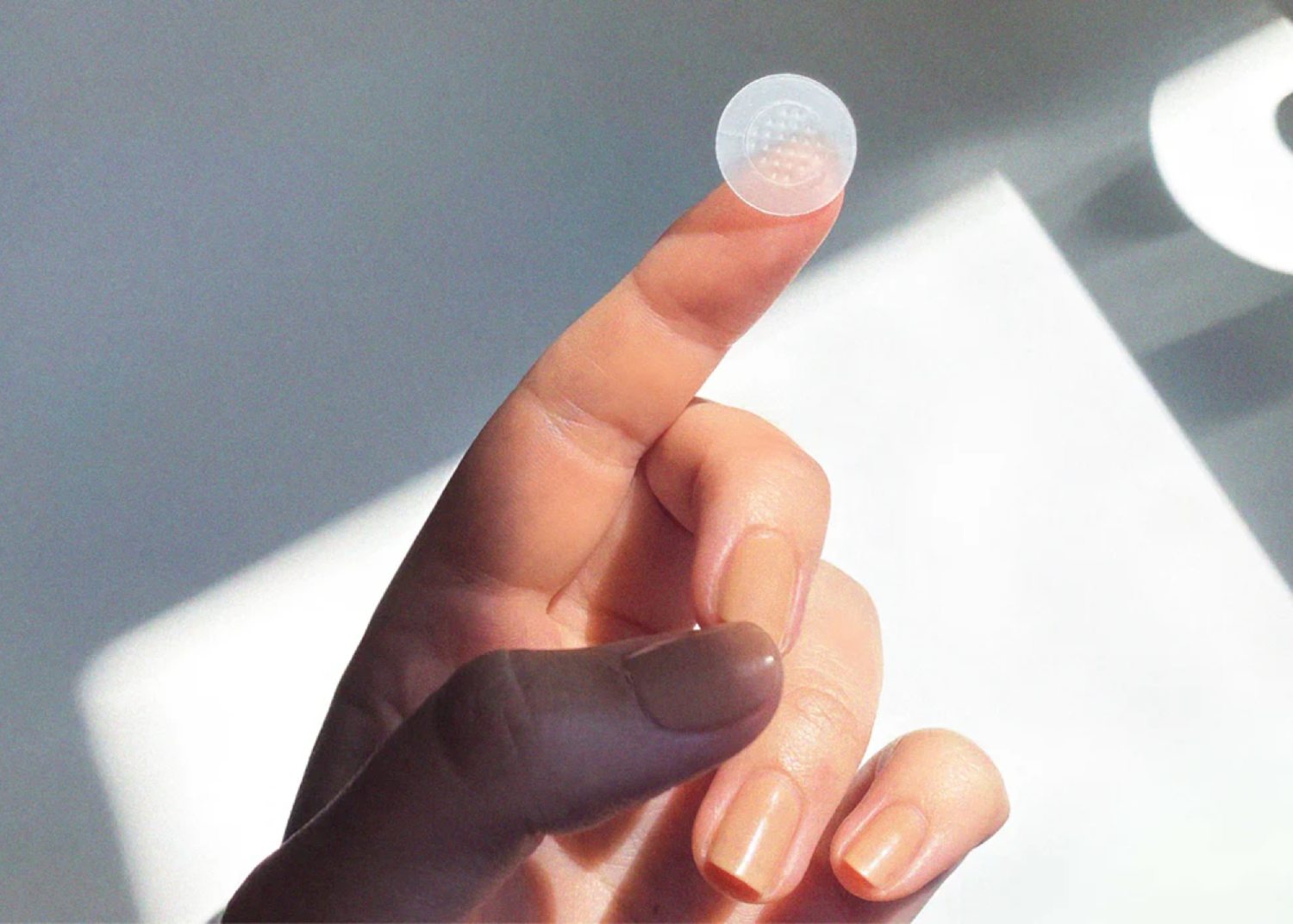
Pimple Patches: Helpful Quick Fix or Barrier Breaker?
Pimple patches have become one of the most popular skincare hacks on social media. They promise to calm a breakout, absorb fluid, and stop you from picking — which sounds like a win for anyone prone to breakouts. But are they always a good idea? The answer depends on how and when you use them.
The Good Side of Pimple Patches
- Stop Picking & Touching
One of the best things about pimple patches is that they can act as a gentle reminder not to squeeze or pick. Picking at spots can cause inflammation, scarring, and post-inflammatory hyperpigmentation (dark marks that linger long after the breakout is gone).
- Protect the Area
Hydrocolloid patches create a protective barrier that keeps bacteria, dirt, and makeup out while drawing out some fluid from whiteheads.
- Reduce Redness & Help Healing
By keeping the area moist and covered, patches can promote faster healing and reduce irritation.
When Pimple Patches Can Be a Problem
- Using Them Over Large Areas of Acne
These patches are meant for isolated pimples, not widespread acne. Covering multiple breakouts can trap sweat and bacteria, and disrupt the skin’s natural balance.
- Frequent or Long-Term Use
Overusing patches can strip or weaken the skin barrier, leaving it more sensitive and prone to redness or dryness.
- Applying Over Active Treatments
If you’re using strong actives (like retinoids, benzoyl peroxide, or acids), sealing them under a patch may increase irritation or damage.
How to Use Them Wisely
- Stick to occasional, spot-specific use — great for a whitehead you’re tempted to pick.
- Avoid putting patches on inflamed cystic acne or large clusters.
- Keep usage short-term (overnight or a few hours) and don’t replace patch after patch on the same spot for days.
- Cleanse gently and moisturise afterward to support the barrier.
Bottom Line
Pimple patches can be a handy tool in your acne routine, especially if they stop you from picking. But they’re not a long-term solution for acne and shouldn’t replace a proper treatment plan. Overuse or covering large areas can damage the skin barrier and lead to more irritation.
If breakouts are frequent or widespread, it’s better to talk with a skin professional about a routine that targets the cause — and keeps your barrier healthy while treating acne effectively.